
Build Lighter, Live Warmer: Carbon‑Smart Renovations with Hempcrete and Wool

Today we’re diving into carbon‑smart renovations that pair hempcrete and sheep’s wool to deliver low‑impact beauty, breathable comfort, and quietly excellent performance. Discover how bio‑based materials lock away carbon, regulate humidity, tame noise, and inspire tactile finishes, with practical steps, real stories, and measurable results.

Carbon Storage You Can Live In

Every cubic meter of hempcrete contains hemp shiv that absorbed atmospheric carbon while growing, then locks it within a mineral matrix as the lime binder re‑carbonates. Combine that with wool’s low embodied energy, and your walls become storage, not sources, of emissions.

Breathability Without Drafts

Hygrothermal behavior is the quiet superpower here: capillary‑active pores buffer moisture, flattening spikes from showers, cooking, or seasonal swings. That means calmer indoor humidity, fewer condensation risks, and comfortable walls that feel warm to the touch without leaky air paths or energy waste.

Textures, Tones, and Quiet Comfort

A carbon‑attentive retrofit can still deliver seductive tactility. Lime plasters over hempcrete shift from velvety matte to mineral sparkle as light moves, while wool hides within but influences acoustics and thermal feel. Combine natural pigments, soft edges, and reclaimed timber for rooms that welcome exhale.

From Mix to Wall: Practical Methods

Whether you cast in place around a timber frame or stack precast blocks, the workflow is approachable with patient setup. Moisture management, curing, and gentle finishes matter more than brute force. With wool, thoughtful density and vapor openness deliver comfort without complicated membranes.

Numbers That Matter: Carbon and Energy

Consider life‑cycle stages A1 through A3 for material production and the biogenic carbon pool within plant matter. Hemp’s fast growth and limestone carbonation can offset binders, while wool’s gentle processing helps. Transparent Environmental Product Declarations make comparisons honest and keep procurement aligned with climate goals.
Moisture buffering reduces peak humidity, which curbs latent loads on HVAC and protects insulation performance. When paired with draft‑tight detailing, surfaces stay warmer, improving comfort at lower setpoints. Combine WUFI modeling with in‑situ sensors to validate assumptions and translate simulations into reliable, energy‑saving detailing decisions.
Thermal lag and radiant balance make rooms feel steady, so occupants accept cooler air temperatures without sacrificing delight. That means fewer hours of heating and quieter equipment cycles. Over time, these small daily differences accumulate into meaningful carbon savings and pleasantly boring utility statements.

Budget, Codes, and Peace of Mind

Costs look different when you count carbon alongside cash. Local hemp supply, on‑site labor, and simple finishes can offset specialty items. Fire testing, vapor‑open assemblies, and insurer education reduce perceived risk. Plan early, document thoroughly, and assemble a team eager to learn and share.

Sourcing Without Surprises

Vet suppliers for consistent shiv size, chloride content, and moisture levels, then confirm binder compatibility. Ask for EPDs, lead times, and logistics plans that protect materials from rain. For wool, check certifications, mothproofing chemistry, and density options to match climate, cavity size, and acoustic targets.

Permits and Approvals that Say Yes

Share third‑party fire ratings, hygrothermal reports, and case studies that mirror your assembly. Keep details legible for inspectors, with breathability continuity arrows and clearly specified plasters. Engineers appreciate conservative assumptions and mockups, while homeowners gain confidence from orderly documentation, open meetings, and responsive, respectful communication.

Maintenance That Rewards Care

Plan for periodic limewash refreshes instead of synthetic paints, and check exterior details after big storms. Wool stays resilient when kept dry and clean; vacuum accessible panels occasionally. Small habits maintain performance, prevent surprises, and keep the building’s quiet comfort intact for decades.

Stories from Homes that Breathe
The Cottage by the Marsh

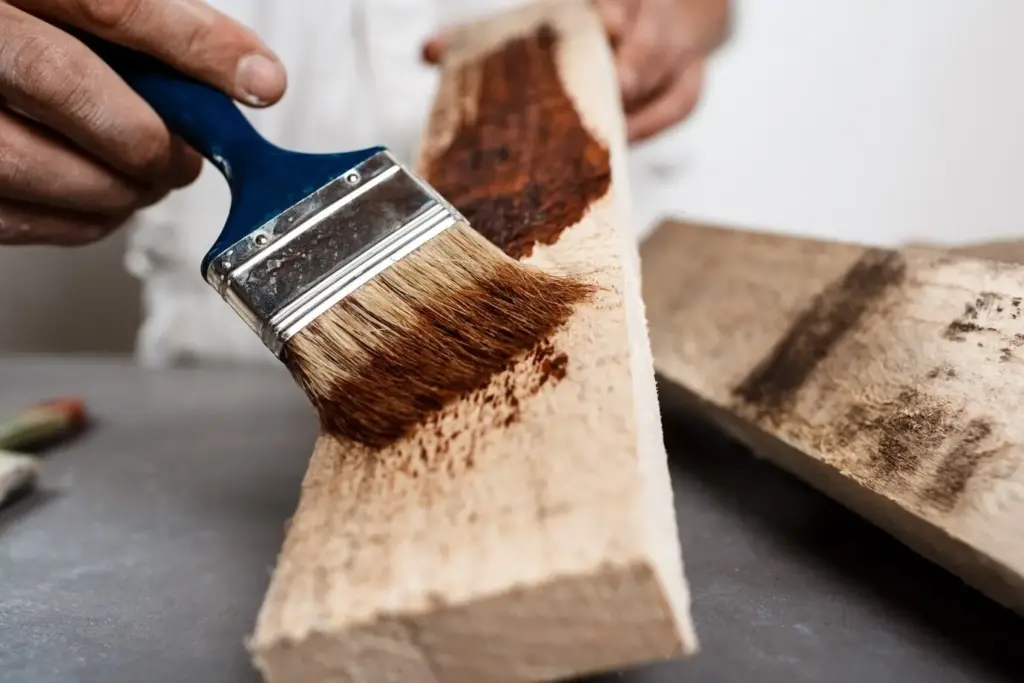
A 19th‑century cottage fought salt air and mold. Repointed stone, hemp‑lime interior casting, and vapor‑open limewash stabilized humidity within weeks. The owners noticed quieter nights and warmer walls at dawn, plus drastically reduced dehumidifier time and a newfound fondness for open windows after rain.


A Rowhouse Learns to Whisper

A 19th‑century cottage fought salt air and mold. Repointed stone, hemp‑lime interior casting, and vapor‑open limewash stabilized humidity within weeks. The owners noticed quieter nights and warmer walls at dawn, plus drastically reduced dehumidifier time and a newfound fondness for open windows after rain.
An Alpine Retrofit, Gently Done

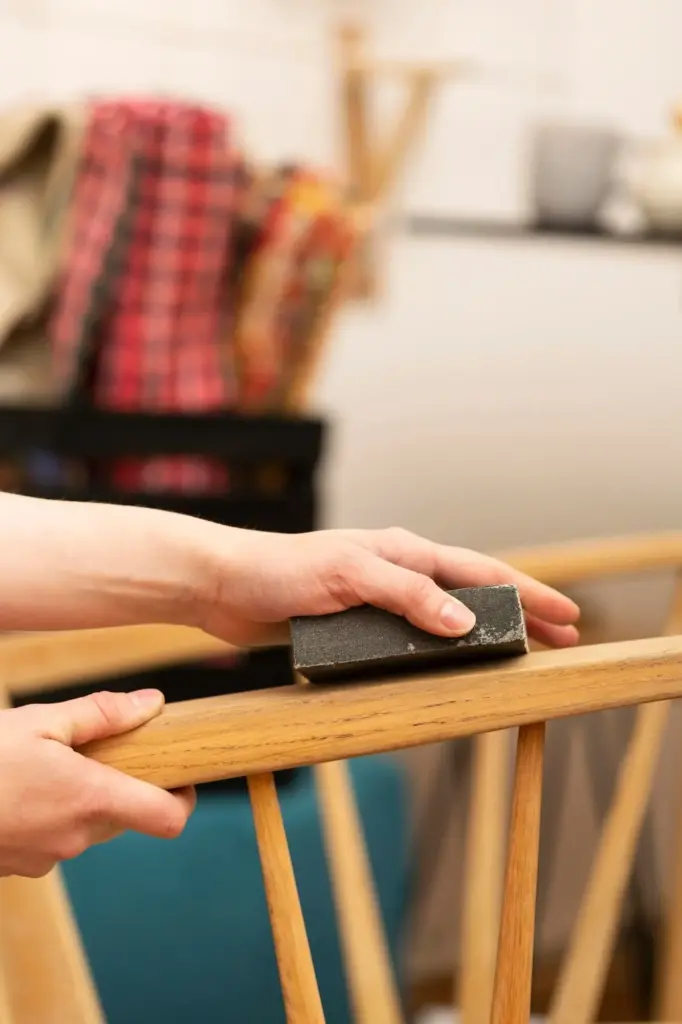
A 19th‑century cottage fought salt air and mold. Repointed stone, hemp‑lime interior casting, and vapor‑open limewash stabilized humidity within weeks. The owners noticed quieter nights and warmer walls at dawn, plus drastically reduced dehumidifier time and a newfound fondness for open windows after rain.

Start Small, Learn Fast, and Share

Pezerumukalunive
Privacy Overview

This website uses cookies so that we can provide you with the best user experience possible. Cookie information is stored in your browser and performs functions such as recognising you when you return to our website and helping our team to understand which sections of the website you find most interesting and useful.